Stop motivating your employees!
What is the missing piece for shifting our organisations?
Webinar Finished
We have stopped giving this webinar. But you can still watch this video that describes what Tuff Step 1 training is about and why it is unique


Want to know more?
We'd be happy to have a conversation with you about your needs and to share the different ways Tuff could support you
Meet with us Contact usRead more
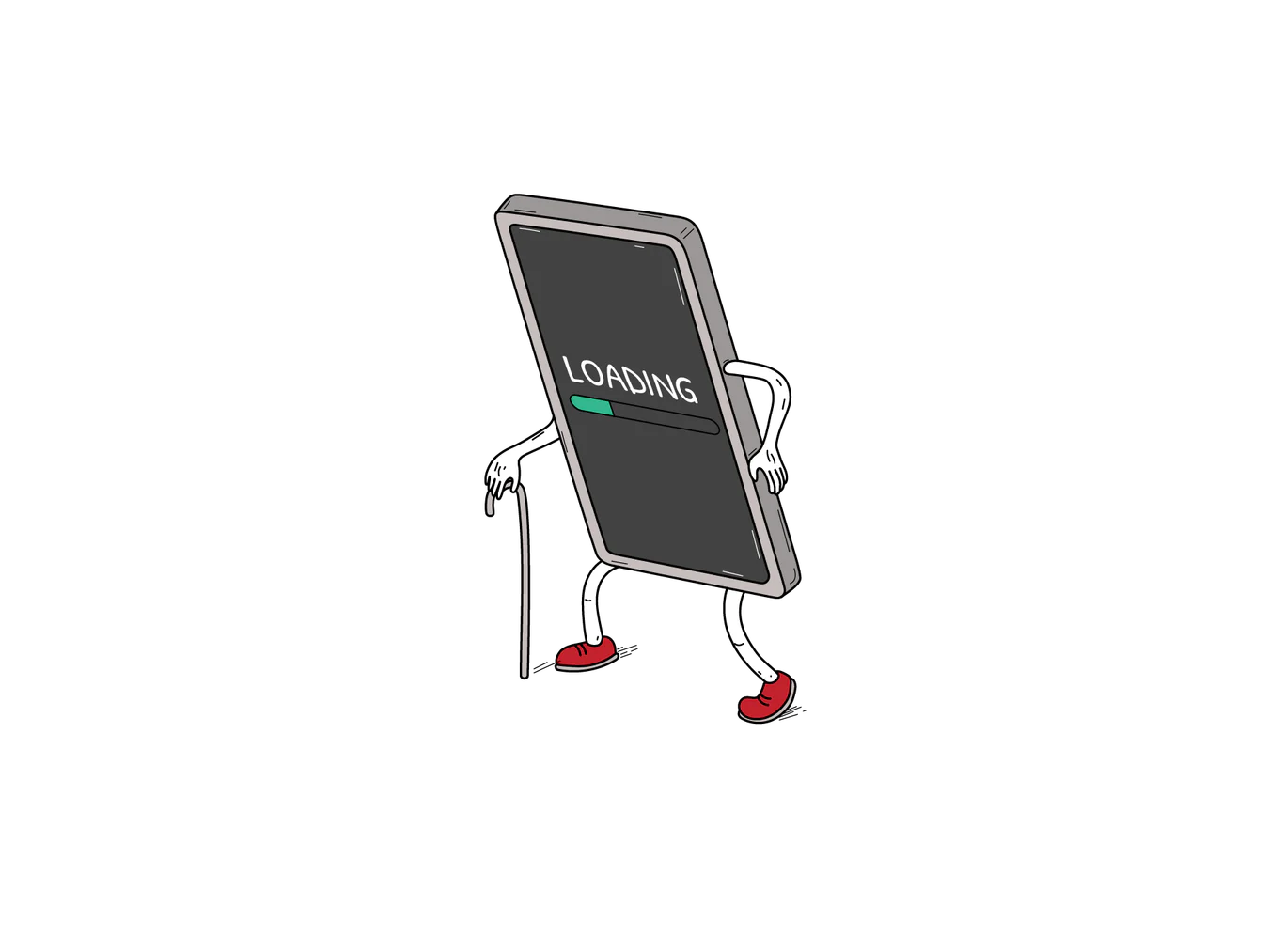
Lately I have been thinking about trainings off-site (classroom) versus development on the job (cf. 70-20-10). An old metaphor that might be useful is that companies and organisations are exploring so many new ways of working, for example open-plan office spaces (for better collaboration), Agile teams, lean and all the way to self-management.

There is a lot happening today in the world around leadership and how we work together in our organizations. New progressive ways of working are being explored more and more, and we continue to wrestle with what leadership is, and should be, going forward. Many would say that we’re in the midst of a paradigm shift, where we, on a large scale, are moving from more traditional hierarchical top-down ways of working to less hierarchical more bottom-up self-directed or self-managed ways.
More and more is being written about self-managing and decentralised ways of working, with organisations like Haier and Buurtzorg capturing the attention of management and business thinkers the world over. However, most (if not all) of the focus in these case studies tends to be on structures and processes. Don’t get me wrong, structures and processes are extremely important. But they are not enough if we truly want our organisations to shift.